
In today’s digital age, credit card and debit card transactions have become the norm in various industries, including auto repair shops. These payment methods offer convenience and security for both customers and businesses.
However, it is essential to understand the differences between credit card and debit card transactions and the benefits and potential drawbacks associated with each. This article aims to provide a comprehensive analysis of credit card vs. debit card transactions in auto repair shops, helping customers and business owners make informed decisions.
The Difference Between Credit Card and Debit Card Transactions

Before delving into the specific advantages and disadvantages of credit card and debit card transactions in auto repair shops, it is crucial to understand the fundamental differences between the two payment methods.
Credit Card Transactions: A credit card transaction involves borrowing money from a financial institution, typically a bank, to make a purchase. When a customer uses a credit card to pay for auto repairs, the repair shop receives the payment from the credit card company, and the customer is required to repay the borrowed amount to the credit card company at a later date, usually with interest.
Debit Card Transactions: On the other hand, a debit card transaction involves using funds directly from the customer’s bank account to make a purchase. When a customer uses a debit card to pay for auto repairs, the repair shop receives the payment directly from the customer’s bank account, and the funds are immediately deducted from the account balance.
Benefits of Credit Card Transactions in Auto Repair Shops

Credit card transactions offer several benefits for both auto repair shops and customers. Here are some of the advantages of using credit cards for payments in auto repair shops:
1. Convenience: Credit cards provide a convenient payment method for customers, eliminating the need to carry large amounts of cash or write checks. Customers can simply swipe or insert their credit cards into the payment terminal, enter their PIN or sign the receipt, and the transaction is complete.
2. Increased Sales: Accepting credit cards can lead to increased sales for auto repair shops. Studies have shown that customers tend to spend more when using credit cards compared to cash. By offering credit card payment options, auto repair shops can attract more customers and potentially increase their revenue.
3. Security: Credit card transactions offer a higher level of security compared to cash payments. In the event of theft or loss, customers can report unauthorized charges to their credit card company, and they are typically not held liable for fraudulent transactions. This provides peace of mind for customers and reduces the risk of financial loss.
4. Consumer Protection: Credit card transactions offer additional consumer protection through chargeback rights. If a customer is dissatisfied with the auto repair service or if there is a dispute, they can contact their credit card company and request a chargeback. This allows customers to potentially receive a refund if the repair shop fails to resolve the issue satisfactorily.
5. Rewards and Benefits: Many credit cards offer rewards programs and benefits, such as cashback, airline miles, or discounts on purchases. By using credit cards for auto repair payments, customers can take advantage of these rewards and potentially save money in the long run.
Benefits of Debit Card Transactions in Auto Repair Shops

While credit card transactions have their advantages, debit card transactions also offer several benefits for both auto repair shops and customers. Here are some of the advantages of using debit cards for payments in auto repair shops:
1. Immediate Funds: Debit card transactions provide auto repair shops with immediate access to funds. Unlike credit card transactions, where the repair shop has to wait for the credit card company to process the payment and transfer the funds, debit card transactions allow for instant payment. This can be particularly beneficial for small businesses that rely on a steady cash flow.
2. No Debt Accumulation: Debit card transactions do not involve borrowing money, which means customers do not accumulate debt. This can be advantageous for customers who prefer to avoid credit card debt or those who have limited credit options.
3. Budgeting and Financial Control: Debit card transactions can help customers maintain better control over their finances. Since the funds are directly deducted from the customer’s bank account, it becomes easier to track expenses and stick to a budget. This can be particularly useful for customers who are conscious of their spending habits.
4. Lower Fees: Debit card transactions typically involve lower fees compared to credit card transactions. While credit card companies charge processing fees to businesses, debit card transactions often have lower or no fees. This can be beneficial for auto repair shops, especially those with tight profit margins.
5. Accessibility: Debit cards are widely accepted and accessible to a larger customer base compared to credit cards. Some customers may not have access to credit cards due to various reasons, such as poor credit history or personal preferences. By accepting debit cards, auto repair shops can cater to a broader range of customers and potentially increase their customer base.
Potential Drawbacks of Credit Card Transactions in Auto Repair Shops
While credit card transactions offer numerous benefits, there are also potential drawbacks that auto repair shops should consider. Here are some of the potential disadvantages of accepting credit card payments:
1. Processing Fees: Credit card transactions involve processing fees that can eat into the profit margins of auto repair shops. These fees are typically a percentage of the transaction amount or a flat fee per transaction. For small businesses with low-profit margins, these fees can significantly impact their bottom line.
2. Chargebacks and Disputes: While chargeback rights provide consumer protection, they can also be a disadvantage for auto repair shops. Customers may initiate chargebacks for various reasons, including dissatisfaction with the service or fraudulent claims. Auto repair shops may have to spend time and resources to resolve these disputes, potentially leading to financial losses.
3. Delayed Payments: Credit card transactions require the repair shop to wait for the credit card company to process the payment and transfer the funds. Depending on the credit card company’s policies, this process can take several days or even weeks. For auto repair shops that rely on immediate cash flow, this delay can create financial challenges.
4. Potential Fraud: Credit card transactions are susceptible to fraud, which can be a concern for both customers and auto repair shops. Fraudulent transactions can result in financial losses for businesses and inconvenience for customers. Auto repair shops need to implement robust security measures to minimize the risk of fraud and protect customer information.
5. High-Interest Rates: If customers choose to carry a balance on their credit cards and only make minimum payments, they may incur high-interest charges. This can lead to financial strain for customers and potentially impact their ability to pay for auto repairs promptly.
Potential Drawbacks of Debit Card Transactions in Auto Repair Shops
While debit card transactions offer their own set of advantages, there are also potential drawbacks that auto repair shops should consider. Here are some of the potential disadvantages of accepting debit card payments:
1. Limited Dispute Resolution: Unlike credit card transactions, debit card transactions do not offer the same level of consumer protection through chargeback rights. If a customer has a dispute with an auto repair shop, resolving the issue may be more challenging without the option of a chargeback.
2. Insufficient Funds: Debit card transactions can be declined if the customer’s bank account does not have sufficient funds to cover the purchase. This can result in inconvenience for both the customer and the auto repair shop. Additionally, auto repair shops may incur fees for declined transactions, further impacting their profitability.
3. Security Concerns: While debit card transactions are generally secure, there is still a risk of fraud or unauthorized access to customer bank accounts. Auto repair shops need to ensure they have robust security measures in place to protect customer information and minimize the risk of fraudulent transactions.
4. Limited Rewards and Benefits: Debit cards typically do not offer the same rewards and benefits as credit cards. Customers who prefer to take advantage of cashback, airline miles, or other rewards may opt to use credit cards for auto repair payments instead.
5. Potential for Overdraft Fees: If a customer’s bank account balance is insufficient to cover a debit card transaction, they may incur overdraft fees from their bank. This can be an additional financial burden for customers and may discourage them from using debit cards for auto repair payments.
Factors to Consider When Choosing Between Credit Card and Debit Card Transactions in Auto Repair Shops
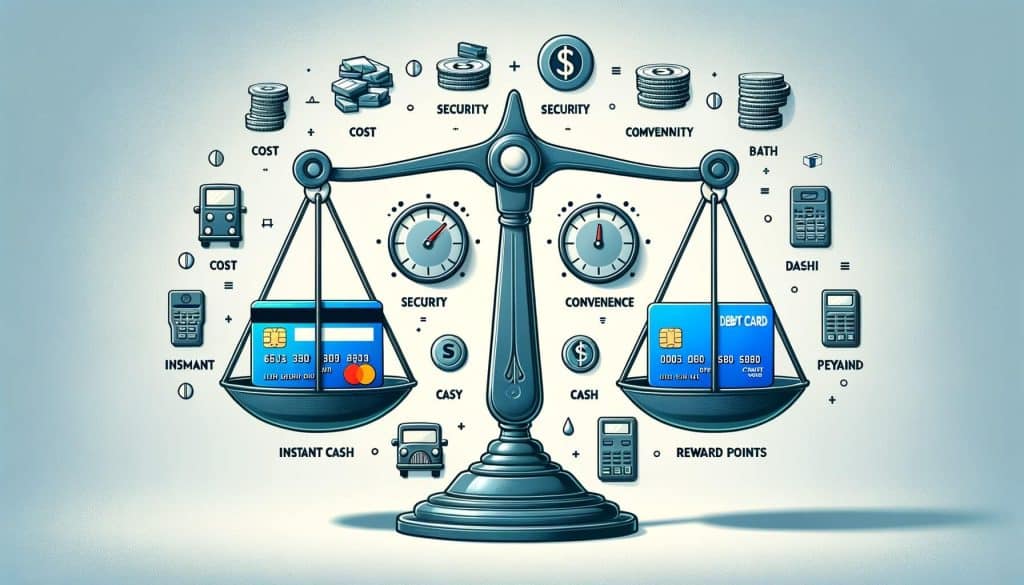
When deciding whether to accept credit card or debit card transactions in an auto repair shop, several factors need to be considered. Here are some key factors to keep in mind:
1. Customer Preferences: Understanding the preferences of your target customer base is crucial. Some customers may prefer the convenience and rewards offered by credit cards, while others may prefer the control and budgeting benefits of debit cards. Conducting market research or surveying existing customers can provide valuable insights into their payment preferences.
2. Profit Margins: Consider the impact of processing fees on your profit margins. If your auto repair shop operates on tight profit margins, the higher processing fees associated with credit card transactions may significantly impact your profitability. In such cases, offering a discount for cash payments or implementing a minimum transaction amount for credit card payments may be worth considering.
3. Cash Flow Requirements: Evaluate your cash flow requirements and determine whether immediate access to funds is essential for your business. If your auto repair shop relies on immediate cash flow to cover expenses or purchase inventory, debit card transactions may be more suitable due to their instant payment nature.
4. Security Measures: Assess the security measures you have in place to protect customer information and minimize the risk of fraud. Both credit card and debit card transactions require robust security measures, including secure payment terminals, encryption protocols, and compliance with Payment Card Industry Data Security Standard (PCI DSS) requirements.
5. Customer Base: Consider the demographics and financial profiles of your customer base. If your target customers are more likely to have credit cards and prefer the convenience and rewards associated with credit card transactions, it may be beneficial to prioritize accepting credit cards. However, if your customer base consists of individuals who prefer debit cards or have limited access to credit, focusing on debit card transactions may be more advantageous.
Frequently Asked Questions (FAQs)
Q1. Can auto repair shops refuse to accept credit or debit card payments?
Answer: Auto repair shops have the discretion to choose which payment methods they accept. However, it is important to note that refusing to accept certain payment methods may limit the customer base and potentially impact sales. It is advisable for auto repair shops to offer a variety of payment options to cater to different customer preferences.
Q2. Are credit card transactions more secure than debit card transactions?
Answer: Both credit card and debit card transactions can be secure if proper security measures are in place. However, credit card transactions offer additional consumer protection through chargeback rights, which can provide an extra layer of security for customers.
Q3. Can auto repair shops pass on processing fees to customers?
Answer: In most cases, passing on processing fees to customers is prohibited by the terms and conditions set by credit card companies. However, auto repair shops can offer cash discounts or implement minimum transaction amounts for credit card payments to offset the processing fees.
Q4. What should customers do if they suspect fraudulent transactions on their credit or debit cards?
Answer: Customers should immediately contact their credit card company or bank to report any suspected fraudulent transactions. The financial institution will guide them through the necessary steps to resolve the issue and protect their accounts.
Q5. Can auto repair shops offer installment payment options for credit card transactions?
Answer: Yes, auto repair shops can offer installment payment options for credit card transactions. This can be particularly beneficial for customers who need to finance larger repair bills. However, it is important to establish clear terms and conditions for installment payments to avoid potential disputes or financial risks.
Conclusion
Credit card and debit card transactions play a significant role in auto repair shops, offering convenience, security, and financial flexibility for both customers and businesses. While credit card transactions provide benefits such as increased sales, consumer protection, and rewards, they also come with potential drawbacks such as processing fees and delayed payments. On the other hand, debit card transactions offer immediate funds, budgeting control, and accessibility, but may lack the same level of consumer protection and rewards.
When deciding between credit card and debit card transactions, auto repair shops should consider factors such as customer preferences, profit margins, cash flow requirements, security measures, and the demographics of their customer base. By carefully evaluating these factors, auto repair shops can make informed decisions that align with their business goals and customer needs.