
In today’s digital age, the way we make payments has evolved significantly. Gone are the days of writing checks or carrying around wads of cash. Instead, we now have various electronic payment options at our disposal, including debit and ACH payments.
When it comes to car repair invoices, choosing the right payment method can make a significant difference in terms of convenience, security, and cost. In this article, we will explore the pros and cons of both debit and ACH payments for car repair invoices, and provide a comprehensive analysis to help you make an informed decision.
Debit Payments for Car Repair Invoices: Pros and Cons
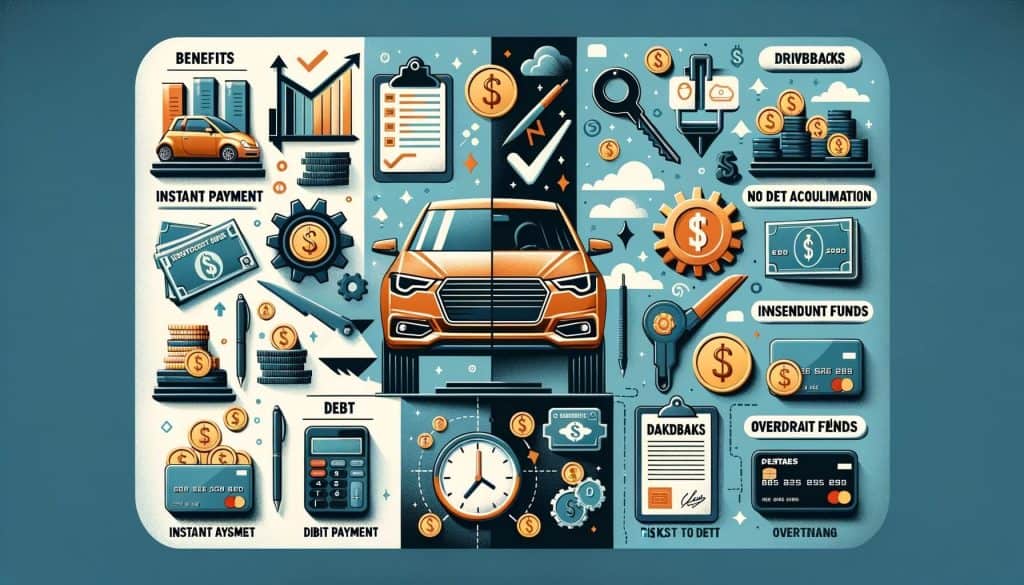
Debit payments have become increasingly popular in recent years due to their convenience and ease of use. With a debit payment, the funds are directly deducted from the customer’s bank account, eliminating the need for physical cash or checks. This can be particularly advantageous for car repair invoices, as it allows for a seamless and immediate transfer of funds. Additionally, debit payments offer a level of security, as they require the customer to enter their PIN or provide other verification methods.
One of the main advantages of debit payments for car repair invoices is the speed at which the transaction can be completed. Unlike traditional payment methods, such as checks, debit payments are processed instantly, allowing the repair shop to receive payment promptly. This can be especially beneficial for small businesses that rely on a steady cash flow to cover expenses and maintain operations.
However, there are also some drawbacks to consider when it comes to debit payments for car repair invoices. One potential disadvantage is the possibility of insufficient funds in the customer’s bank account. If a customer does not have enough money to cover the repair invoice, the payment may be declined, causing inconvenience and potential delays in the repair process. Additionally, debit payments may not be suitable for customers who prefer to accumulate credit card rewards or take advantage of other benefits offered by credit card companies.
ACH Payments for Car Repair Invoices: Pros and Cons

ACH (Automated Clearing House) payments, on the other hand, offer an alternative method for paying car repair invoices. ACH payments involve the electronic transfer of funds between bank accounts, typically initiated by the customer. This payment method is commonly used for recurring payments, such as utility bills or mortgage payments, but can also be utilized for one-time transactions, including car repair invoices.
One of the main advantages of ACH payments for car repair invoices is the convenience they offer to customers. With ACH payments, customers can set up automatic payments, ensuring that their repair invoices are paid on time without the need for manual intervention. This can be particularly beneficial for busy individuals who may forget to make a payment or prefer to automate their financial obligations.
Another advantage of ACH payments is the potential cost savings. Unlike debit payments, which may incur transaction fees, ACH payments are often free or have minimal fees associated with them. This can be advantageous for both customers and repair shops, as it reduces the overall cost of processing payments and can lead to increased customer satisfaction.
However, there are also some considerations to keep in mind when it comes to ACH payments for car repair invoices. One potential drawback is the longer processing time compared to debit payments. While debit payments are typically processed instantly, ACH payments can take several business days to complete. This delay may not be ideal for repair shops that require immediate payment to cover expenses or for customers who need their vehicles repaired urgently.
Factors to Consider When Choosing Between Debit and ACH Payments for Car Repair Invoices
When deciding between debit and ACH payments for car repair invoices, several factors should be taken into consideration. These factors include security and fraud prevention, speed and convenience, and cost analysis. By evaluating these aspects, you can make an informed decision that best suits your needs and preferences.
Security and Fraud Prevention: Comparing Debit and ACH Payments

Security is a crucial consideration when it comes to making payments, especially in the digital realm. Both debit and ACH payments offer certain security measures to protect against fraud and unauthorized transactions. However, there are some differences to be aware of.
Debit payments require the customer to enter their PIN or provide other verification methods, adding an extra layer of security. This can help prevent unauthorized individuals from accessing the customer’s bank account and making fraudulent transactions. Additionally, debit cards often come with built-in fraud protection measures, such as zero liability policies, which can provide peace of mind to customers.
On the other hand, ACH payments rely on the customer’s bank account information, such as the account number and routing number, to initiate the transaction. While this information is generally considered secure, there is a potential risk of unauthorized access if the customer’s bank account details are compromised. However, many banks and financial institutions have implemented robust security measures to protect against such risks, including encryption and authentication protocols.
Ultimately, both debit and ACH payments offer a reasonable level of security, but it is essential for customers to remain vigilant and take necessary precautions, such as regularly monitoring their bank accounts for any suspicious activity.
Speed and Convenience: Comparing Debit and ACH Payments for Car Repair Invoices
When it comes to car repair invoices, speed and convenience are crucial factors to consider. Repair shops often require prompt payment to cover expenses and maintain operations, while customers want a seamless and hassle-free payment experience.
Debit payments excel in terms of speed, as they are processed instantly. This means that repair shops can receive payment promptly, allowing them to proceed with the necessary repairs without delay. Additionally, customers benefit from the immediate deduction of funds from their bank account, providing them with a clear understanding of their financial situation.
ACH payments, on the other hand, may take several business days to complete. This delay can be attributed to the clearing and settlement process involved in ACH transactions. While this may not be ideal for repair shops that require immediate payment, it can still be a viable option for customers who prefer to automate their payments or have a more flexible timeline.
In terms of convenience, both debit and ACH payments offer advantages. Debit payments allow customers to make payments using their existing bank accounts, eliminating the need for additional accounts or credit cards. This can be particularly beneficial for individuals who prefer to keep their financial transactions consolidated in one place.
ACH payments, on the other hand, offer the convenience of automation. Customers can set up recurring payments for their car repair invoices, ensuring that they are paid on time without the need for manual intervention. This can be advantageous for busy individuals who may forget to make a payment or prefer to streamline their financial obligations.
Cost Analysis: Debit vs. ACH Payments for Car Repair Invoices
Cost is another crucial factor to consider when choosing between debit and ACH payments for car repair invoices. Both payment methods have associated costs, which can vary depending on various factors.
Debit payments may incur transaction fees, particularly if the repair shop utilizes a third-party payment processor. These fees can range from a flat rate per transaction to a percentage of the total invoice amount. It is essential for repair shops to evaluate these fees and consider whether they are reasonable in relation to the benefits provided by debit payments, such as speed and convenience.
ACH payments, on the other hand, are often free or have minimal fees associated with them. Many banks and financial institutions offer ACH payment services as part of their standard banking packages, making them an attractive option for both customers and repair shops. However, it is crucial to review the terms and conditions of the specific bank or financial institution to ensure that there are no hidden fees or limitations associated with ACH payments.
When conducting a cost analysis, it is also important to consider the potential savings associated with each payment method. For example, debit payments may offer the advantage of immediate access to funds, allowing repair shops to avoid potential cash flow issues. On the other hand, ACH payments can reduce the overall cost of processing payments, particularly for repair shops that receive a high volume of invoices.
Common FAQs About Debit and ACH Payments for Car Repair Invoices
Q1. Can I use my debit card to pay for car repairs?
Answer: Yes, you can use your debit card to pay for car repairs. Debit cards offer a convenient and secure method of payment, allowing funds to be directly deducted from your bank account.
Q2. Are ACH payments safe for car repair invoices?
Answer: Yes, ACH payments are generally considered safe for car repair invoices. Banks and financial institutions have implemented robust security measures to protect against fraud and unauthorized transactions.
Q3. How long does it take for a debit payment to process?
Answer: Debit payments are typically processed instantly, allowing repair shops to receive payment promptly. However, it is important to note that the availability of funds may vary depending on the customer’s bank and the specific transaction.
Q4. Can I set up automatic payments for my car repair invoices?
Answer: Yes, you can set up automatic payments for your car repair invoices using ACH payments. This allows for a seamless and hassle-free payment experience, ensuring that your invoices are paid on time without the need for manual intervention.
Q5. Are there any fees associated with debit payments?
Answer: Debit payments may incur transaction fees, particularly if the repair shop utilizes a third-party payment processor. It is important to review these fees and consider whether they are reasonable in relation to the benefits provided by debit payments.
Conclusion
When it comes to car repair invoices, choosing the right payment method can have a significant impact on convenience, security, and cost. Debit payments offer the advantage of speed and immediate access to funds, making them suitable for repair shops that require prompt payment. On the other hand, ACH payments provide the convenience of automation and potential cost savings, making them an attractive option for customers and repair shops alike.
Ultimately, the choice between debit and ACH payments for car repair invoices depends on individual preferences and specific circumstances. By considering factors such as security and fraud prevention, speed and convenience, and cost analysis, you can make an informed decision that best suits your needs. Whether you opt for the speed and security of debit payments or the convenience and cost savings of ACH payments, both methods offer viable solutions for paying car repair invoices in today’s digital age.