
By Eve James March 14, 2025
In today’s digital age, the automotive industry has witnessed a significant shift towards online payment portals. With the convenience of making payments from the comfort of their homes, customers are increasingly relying on these portals to complete transactions.
However, this convenience comes with its own set of risks, as cybercriminals are constantly evolving their tactics to exploit vulnerabilities in payment systems. To combat these threats, automotive payment portals must implement robust security measures, and one such measure is two-factor authentication (2FA).
Understanding the Importance of Two-Factor Authentication in Automotive Payment Portals
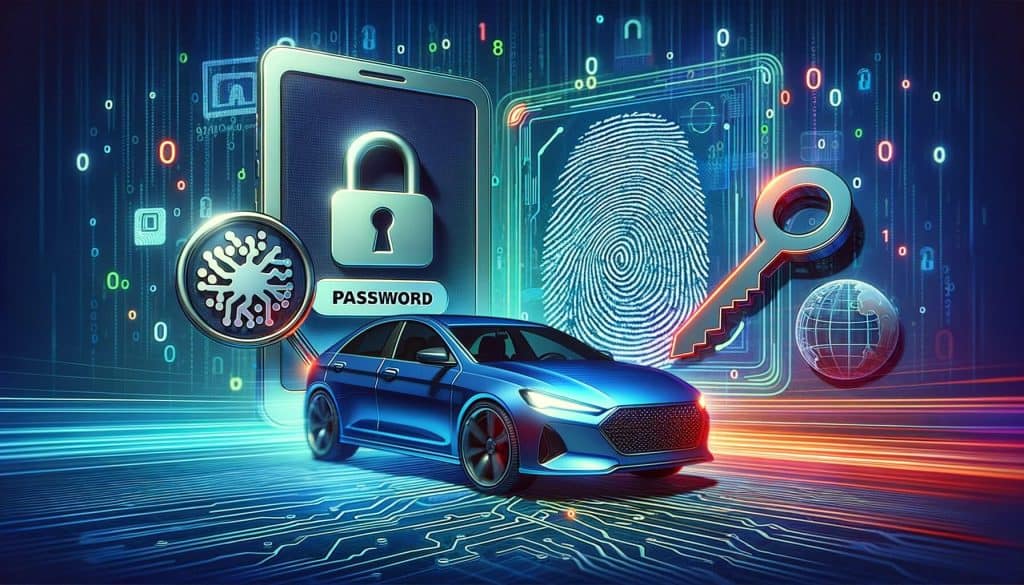
Two-factor authentication is a security mechanism that adds an extra layer of protection to the login process. It requires users to provide two different types of credentials to verify their identity. Typically, these credentials fall into three categories: something the user knows (such as a password), something the user has (such as a mobile device), or something the user is (such as a fingerprint). By combining two of these factors, the likelihood of unauthorized access is significantly reduced.
The importance of implementing two-factor authentication in automotive payment portals cannot be overstated. According to a report by Javelin Strategy & Research, account takeovers in the automotive industry have increased by 79% in recent years. This alarming statistic highlights the urgent need for enhanced security measures. By implementing 2FA, automotive payment portals can protect their customers’ sensitive information, prevent unauthorized access, and mitigate the risk of financial loss.
Best Practices for Implementing Two-Factor Authentication in Automotive Payment Portals
Implementing two-factor authentication in automotive payment portals requires careful planning and consideration. Here are some best practices to ensure a successful implementation:
1. Conduct a thorough risk assessment: Before implementing 2FA, it is crucial to assess the potential risks and vulnerabilities specific to your automotive payment portal. This assessment will help identify the areas that require additional security measures and determine the most suitable 2FA methods.
2. Choose a reliable authentication method: There are various 2FA methods available, including SMS-based codes, email verification, hardware tokens, and biometric authentication. It is essential to choose a method that strikes a balance between security and user convenience. Consider factors such as ease of use, scalability, and compatibility with your existing infrastructure.
3. Educate users about the benefits of 2FA: Many users may be unfamiliar with two-factor authentication or may perceive it as an inconvenience. It is crucial to educate users about the benefits of 2FA, such as enhanced security and protection against fraud. Clear communication and user-friendly instructions can help alleviate any concerns and encourage adoption.
4. Implement a fallback mechanism: In some cases, users may not have access to their primary authentication method, such as a lost or stolen mobile device. To avoid locking users out of their accounts, it is essential to have a fallback mechanism in place. This could include alternative authentication methods or a manual verification process.
5. Regularly update and test the system: Cyber threats are constantly evolving, and new vulnerabilities may emerge over time. It is crucial to regularly update and test the 2FA system to ensure its effectiveness. Conduct penetration testing and vulnerability assessments to identify any weaknesses and address them promptly.
Choosing the Right Two-Factor Authentication Methods for Automotive Payment Portals
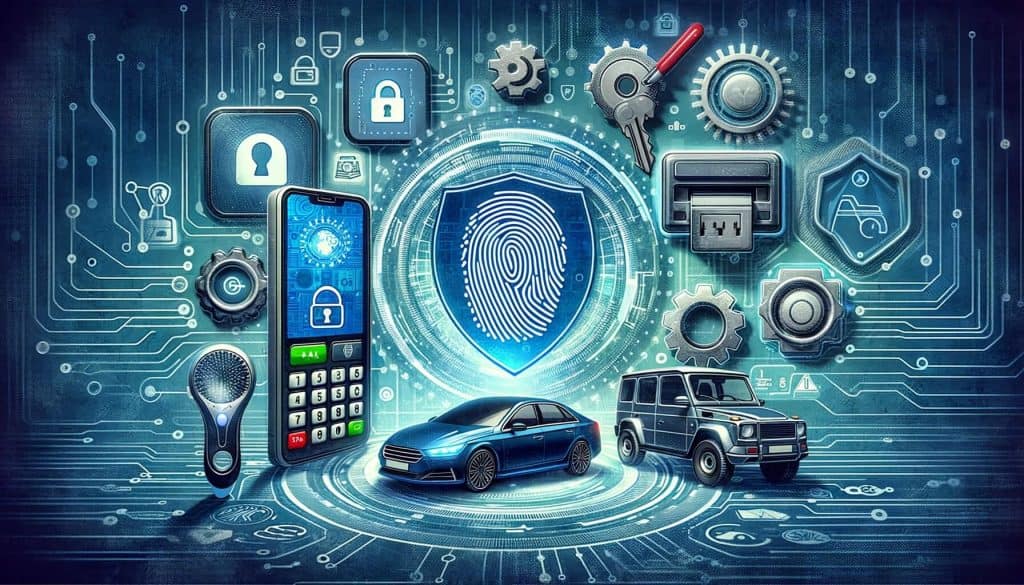
When it comes to choosing the right two-factor authentication methods for automotive payment portals, there is no one-size-fits-all solution. The choice of methods should be based on the specific needs and requirements of the portal, as well as the preferences of the users. Here are some commonly used 2FA methods in automotive payment portals:
1. SMS-based codes: This method involves sending a one-time verification code to the user’s mobile device via SMS. The user then enters this code along with their password to complete the login process. While SMS-based codes are widely used and familiar to users, they are not the most secure option, as SIM card swapping and SMS interception attacks are possible.
2. Email verification: Similar to SMS-based codes, this method involves sending a verification code to the user’s email address. The user enters this code along with their password to authenticate themselves. While email verification is convenient, it may not be the most secure option, as email accounts can be compromised.
3. Hardware tokens: Hardware tokens are physical devices that generate one-time passwords. These tokens can be carried by the user and used in conjunction with their password to authenticate themselves. Hardware tokens provide a higher level of security compared to SMS-based codes or email verification, as they are not susceptible to attacks targeting mobile devices or email accounts.
4. Biometric authentication: Biometric authentication involves using unique physical or behavioral characteristics, such as fingerprints, facial recognition, or voice recognition, to verify a user’s identity. Biometric authentication provides a high level of security and convenience, as users do not need to remember passwords or carry physical tokens. However, it may require additional hardware or software integration.
Securing User Credentials in Automotive Payment Portals: Password Best Practices
While two-factor authentication adds an extra layer of security, it is essential to ensure that user credentials, particularly passwords, are adequately protected. Here are some best practices for securing user credentials in automotive payment portals:
1. Enforce strong password policies: Implement password policies that require users to create strong, unique passwords. Encourage the use of a combination of uppercase and lowercase letters, numbers, and special characters. Discourage the use of easily guessable passwords, such as common words or personal information.
2. Implement password complexity requirements: Set minimum password length requirements and enforce complexity rules. For example, require passwords to be at least eight characters long and include a mix of letters, numbers, and special characters.
3. Enable multi-factor authentication: In addition to two-factor authentication, consider implementing multi-factor authentication, which adds an extra layer of security. This could include additional authentication factors such as security questions or biometric authentication.
4. Educate users about password security: Many users reuse passwords across multiple accounts or choose weak passwords due to convenience. It is crucial to educate users about the importance of password security and the risks associated with weak or reused passwords. Encourage the use of password managers to generate and store complex passwords securely.
5. Implement secure password storage practices: Store user passwords securely using industry-standard encryption algorithms. Avoid storing passwords in plain text or using weak encryption methods. Regularly review and update password storage practices to align with the latest security standards.
Exploring Biometric Authentication for Enhanced Security in Automotive Payment Portals
Biometric authentication offers a promising solution for enhancing security in automotive payment portals. By leveraging unique physical or behavioral characteristics, biometric authentication provides a high level of security and convenience. Here are some commonly used biometric authentication methods:
1. Fingerprint recognition: Fingerprint recognition is one of the most widely used biometric authentication methods. It involves scanning and matching the unique patterns on an individual’s fingertips to verify their identity. Fingerprint recognition is highly accurate and convenient, as most modern smartphones and laptops are equipped with fingerprint sensors.
2. Facial recognition: Facial recognition technology analyzes and matches the unique features of an individual’s face to verify their identity. It uses algorithms to map facial landmarks, such as the distance between the eyes or the shape of the nose. Facial recognition is convenient and non-intrusive, as it does not require physical contact with a device.
3. Voice recognition: Voice recognition technology analyzes and matches the unique characteristics of an individual’s voice to verify their identity. It takes into account factors such as pitch, tone, and pronunciation. Voice recognition is convenient and can be used in various scenarios, such as phone-based authentication or voice assistants.
4. Iris recognition: Iris recognition involves scanning and matching the unique patterns in an individual’s iris to verify their identity. It uses high-resolution cameras to capture detailed images of the iris. Iris recognition is highly accurate and secure, as the patterns in the iris are unique to each individual and difficult to replicate.
Implementing Multi-Factor Authentication in Automotive Payment Portals: Key Considerations
While two-factor authentication provides an additional layer of security, implementing multi-factor authentication can further enhance the security of automotive payment portals. Multi-factor authentication involves combining two or more authentication factors, such as something the user knows, something the user has, and something the user is. Here are some key considerations for implementing multi-factor authentication:
1. Balance security and user experience: While security is paramount, it is essential to strike a balance between security and user experience. Implementing overly complex or cumbersome authentication methods may discourage users from adopting the system. Consider the convenience and ease of use of the authentication methods to ensure a seamless user experience.
2. Consider the context of authentication: Different authentication factors may be more suitable for specific scenarios. For example, fingerprint recognition may be more appropriate for mobile authentication, while hardware tokens may be more suitable for desktop authentication. Consider the context in which authentication is required to choose the most appropriate factors.
3. Provide alternative authentication methods: In some cases, users may not have access to their primary authentication method. It is crucial to provide alternative authentication methods to avoid locking users out of their accounts. This could include backup codes, security questions, or manual verification processes.
4. Regularly review and update authentication methods: Cyber threats are constantly evolving, and new vulnerabilities may emerge over time. It is crucial to regularly review and update the authentication methods to ensure their effectiveness. Stay informed about the latest advancements in authentication technologies and consider adopting new methods if they offer improved security.
Addressing Common Concerns and FAQs about Two-Factor Authentication in Automotive Payment Portals
As with any security measure, there may be concerns and questions regarding the implementation of two-factor authentication in automotive payment portals. Here are some common concerns and FAQs:
Q1. Is two-factor authentication necessary for automotive payment portals?
Answer: Yes, two-factor authentication is necessary for automotive payment portals to enhance security and protect customer information. It adds an extra layer of protection by requiring users to provide two different types of credentials to verify their identity.
Q2. Will two-factor authentication slow down the login process?
Answer: While two-factor authentication adds an extra step to the login process, it does not necessarily slow it down significantly. With the availability of various authentication methods, such as fingerprint recognition or hardware tokens, the login process can be seamless and efficient.
Q3. What if I lose my mobile device or hardware token?
Answer: In the event of losing a mobile device or hardware token, it is crucial to have a fallback mechanism in place. This could include alternative authentication methods, such as backup codes or manual verification processes. It is important to contact the service provider immediately to report the loss and take appropriate actions to secure the account.
Q4. Can two-factor authentication be bypassed by hackers?
Answer: While no security measure is foolproof, two-factor authentication significantly reduces the risk of unauthorized access. Hackers would need to compromise both the user’s primary authentication method and the secondary factor to gain access. By implementing strong authentication methods and regularly updating the system, the likelihood of bypassing two-factor authentication is greatly reduced.
Conclusion
In conclusion, two-factor authentication is a crucial security measure for automotive payment portals. By implementing 2FA, automotive payment portals can protect their customers’ sensitive information, prevent unauthorized access, and mitigate the risk of financial loss. It is essential to choose the right authentication methods, secure user credentials, explore biometric authentication, and consider multi-factor authentication.
By following best practices and addressing common concerns, automotive payment portals can enhance security and provide a seamless user experience. With the ever-evolving threat landscape, it is crucial to regularly review and update the authentication system to ensure its effectiveness. By prioritizing security and staying ahead of cyber threats, automotive payment portals can build trust with their customers and safeguard their sensitive information.