
Chargebacks are a common occurrence in the auto industry, causing significant financial losses for both auto dealerships and manufacturers. A chargeback is a transaction reversal initiated by the cardholder’s bank, typically due to a dispute or fraudulent activity.
In the auto industry, chargebacks can arise from various reasons, including customer dissatisfaction, fraud, and administrative errors. Understanding the common causes of chargebacks and implementing preventive measures is crucial for auto businesses to minimize financial losses and maintain customer satisfaction.
Understanding the Common Causes of Chargebacks in the Auto Industry

1. Customer Dissatisfaction: One of the primary causes of chargebacks in the auto industry is customer dissatisfaction. This can occur when customers feel misled or deceived by the dealership or manufacturer. For example, if a customer purchases a vehicle with certain features promised but later discovers that those features are missing or not functioning properly, they may initiate a chargeback.
2. Unauthorized Transactions: Another common cause of chargebacks in the auto industry is unauthorized transactions. This occurs when a customer’s credit card is used without their consent to make a purchase. Auto businesses need to have robust security measures in place to prevent unauthorized transactions and protect their customers’ financial information.
3. Fraudulent Activity: Chargeback fraud is a significant concern in the auto industry. Fraudsters may use stolen credit card information to purchase vehicles or parts, leading to chargebacks when the legitimate cardholder disputes the transaction. Auto businesses must implement stringent fraud detection and prevention measures to minimize the risk of chargeback fraud.
4. Administrative Errors: Chargebacks can also result from administrative errors made by auto businesses. These errors can include incorrect billing, double charging, or failure to cancel a transaction. Such mistakes can lead to customer dissatisfaction and subsequent chargebacks. Implementing proper training and quality control measures can help minimize administrative errors and reduce chargebacks.
5. Delivery Issues: Delivery issues, such as delayed or damaged shipments, can also lead to chargebacks in the auto industry. If a customer does not receive their purchased vehicle or parts within the agreed-upon timeframe or if the items arrive in poor condition, they may initiate a chargeback. Auto businesses should ensure efficient and reliable delivery processes to minimize the risk of chargebacks due to delivery issues.
The Impact of Chargebacks on Auto Dealerships and Manufacturers

Chargebacks can have a significant impact on both auto dealerships and manufacturers. Financially, chargebacks result in revenue loss for the business. The cost of the disputed transaction, along with chargeback fees imposed by the card networks, can quickly add up and eat into the profit margins. Additionally, chargebacks can damage the reputation of the business, leading to a loss of customer trust and loyalty.
For auto dealerships, chargebacks can also result in increased operational costs. The time and resources required to investigate and resolve chargebacks can be substantial, diverting attention from core business activities. Manufacturers may face similar challenges, as chargebacks can strain their relationships with dealerships and disrupt the supply chain.
Preventive Measures: Best Practices for Minimizing Chargebacks
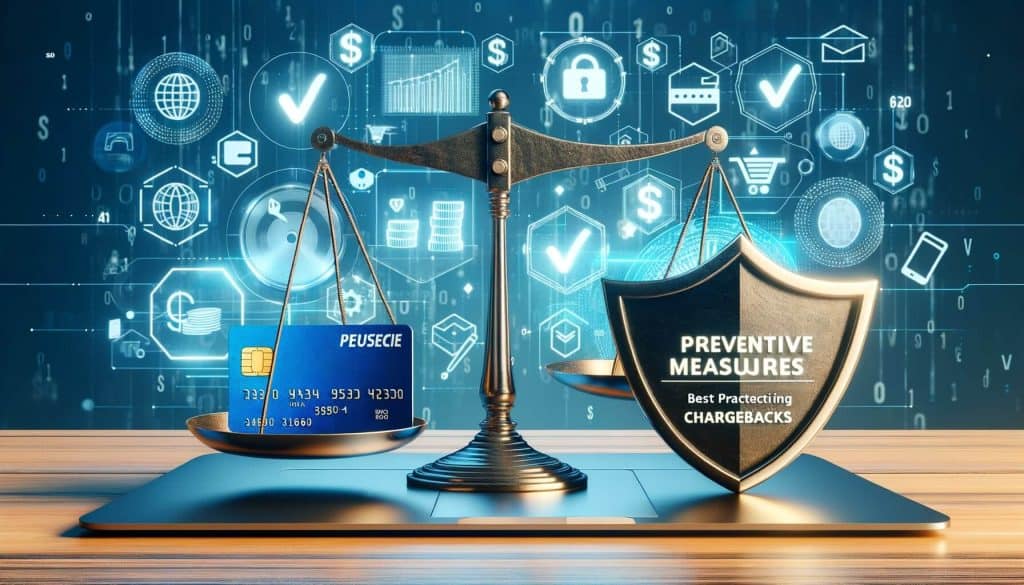
To minimize chargebacks in the auto industry, auto businesses should implement the following best practices:
1. Clear and Transparent Communication: Clear and transparent communication with customers is essential to prevent chargebacks. Auto businesses should provide accurate and detailed information about the vehicles or parts being sold, including specifications, features, and any potential limitations. This helps manage customer expectations and reduces the likelihood of chargebacks due to customer dissatisfaction.
2. Robust Fraud Detection and Prevention: Implementing robust fraud detection and prevention measures is crucial to minimize chargeback fraud. Auto businesses should use advanced fraud detection tools and technologies to identify suspicious transactions and verify the legitimacy of purchases. This can include address verification systems, card security codes, and IP geolocation checks.
3. Secure Payment Processing: Ensuring secure payment processing is vital to prevent unauthorized transactions and protect customer data. Auto businesses should use secure payment gateways that comply with industry standards, such as Payment Card Industry Data Security Standard (PCI DSS). Additionally, implementing tokenization and encryption technologies can further enhance payment security.
4. Accurate Billing and Documentation: Accurate billing and documentation are essential to prevent chargebacks resulting from administrative errors. Auto businesses should ensure that invoices and receipts are generated correctly, reflecting the agreed-upon terms and conditions. Proper documentation of customer interactions, including emails, contracts, and service records, can also help resolve chargeback disputes more effectively.
5. Efficient Customer Service: Providing efficient and responsive customer service is crucial in preventing chargebacks. Promptly addressing customer inquiries, concerns, and complaints can help resolve issues before they escalate to chargebacks. Auto businesses should have well-trained customer service representatives who can handle customer disputes and provide satisfactory resolutions.
Chargeback Fraud in the Auto Industry: How to Identify and Combat It

Chargeback fraud is a significant concern in the auto industry, as fraudsters exploit vulnerabilities in the purchasing process to initiate fraudulent chargebacks. To identify and combat chargeback fraud, auto businesses should:
1. Monitor for Suspicious Activity: Implementing real-time transaction monitoring systems can help identify suspicious activity indicative of chargeback fraud. Unusual purchasing patterns, such as multiple high-value transactions within a short period or purchases from different locations, should raise red flags and trigger further investigation.
2. Verify Customer Information: Verifying customer information, such as billing and shipping addresses, can help detect potential chargeback fraud. Auto businesses should compare the provided information with third-party databases and conduct additional verification steps, such as requesting additional identification documents or contacting the customer directly.
3. Implement 3D Secure Authentication: 3D Secure authentication, such as Verified by Visa or Mastercard SecureCode, adds an extra layer of security to online transactions. This authentication process requires customers to enter a unique password or code to verify their identity, reducing the risk of chargeback fraud.
4. Use Fraud Detection Tools: Utilizing advanced fraud detection tools and technologies can help auto businesses identify potential chargeback fraud. These tools analyze various data points, such as transaction history, device fingerprinting, and IP geolocation, to detect suspicious patterns and flag potentially fraudulent transactions.
5. Collaborate with Law Enforcement and Industry Networks: Auto businesses should collaborate with law enforcement agencies and industry networks to combat chargeback fraud. Sharing information about known fraudsters, fraudulent activity patterns, and emerging fraud trends can help prevent future incidents and protect the industry as a whole.
Chargeback Disputes: Strategies for Resolving Disputes with Customers
Despite preventive measures, chargeback disputes may still arise in the auto industry. Resolving these disputes effectively is crucial to minimize financial losses and maintain customer satisfaction. The following strategies can help auto businesses navigate chargeback disputes:
1. Gather Evidence: Collecting and preserving evidence related to the disputed transaction is essential in resolving chargeback disputes. This can include order details, shipping information, customer communication records, and any other relevant documentation. The evidence should support the business’s position and demonstrate that the transaction was legitimate.
2. Review Chargeback Reason Codes: Understanding the reason codes provided by the card networks is crucial in formulating a response to the chargeback. Each reason code has specific requirements and documentation that need to be provided to dispute the chargeback effectively. Auto businesses should review the reason codes and ensure they have the necessary evidence to challenge the dispute.
3. Respond Promptly: Timely response to chargeback disputes is critical. Auto businesses should adhere to the card network’s specified timelines for responding to chargebacks. Failing to respond within the given timeframe can result in an automatic loss of the dispute, leading to financial losses for the business.
4. Provide Clear and Concise Documentation: When responding to chargeback disputes, auto businesses should provide clear and concise documentation that supports their position. This can include invoices, receipts, contracts, and any other relevant records. The documentation should be organized and easy to understand, making it easier for the cardholder’s bank to evaluate the dispute.
5. Consider Mediation or Arbitration: In some cases, mediation or arbitration may be necessary to resolve chargeback disputes. Auto businesses can explore these alternative dispute resolution methods to reach a mutually agreeable resolution with the customer. Mediation or arbitration can help avoid lengthy and costly legal proceedings while maintaining a positive customer-business relationship.
Chargeback Management Systems: Tools and Technologies for Streamlining Processes
Managing chargebacks efficiently requires auto businesses to leverage tools and technologies that streamline the process. Chargeback management systems offer various features and functionalities to automate and simplify chargeback handling. These systems typically include:
1. Case Management: Chargeback management systems provide a centralized platform for managing chargeback cases. This includes tracking and organizing dispute-related documentation, communication with customers and banks, and monitoring the progress of each case.
2. Automated Workflows: Chargeback management systems automate repetitive tasks and workflows, reducing manual effort and improving efficiency. These systems can automatically generate response templates, schedule follow-up actions, and send notifications to relevant stakeholders.
3. Reporting and Analytics: Chargeback management systems offer reporting and analytics capabilities to provide insights into chargeback trends and patterns. This helps auto businesses identify areas of improvement, measure the effectiveness of preventive measures, and make data-driven decisions.
4. Integration with Payment Gateways: Seamless integration with payment gateways allows chargeback management systems to retrieve transaction data and documentation directly. This eliminates the need for manual data entry and ensures accurate and up-to-date information for chargeback handling.
5. Dispute Resolution Collaboration: Some chargeback management systems facilitate collaboration between auto businesses, banks, and customers during the dispute resolution process. These systems provide secure communication channels and document sharing capabilities, enabling efficient and transparent communication.
The Role of Documentation in Chargeback Prevention and Resolution
Documentation plays a crucial role in both chargeback prevention and resolution. Proper documentation helps auto businesses establish a strong defense against chargebacks and provides evidence to support their position. The following types of documentation are essential in chargeback prevention and resolution:
1. Sales Agreements and Contracts: Sales agreements and contracts outline the terms and conditions of the transaction, including the vehicle or parts being sold, pricing, warranties, and any additional services. These documents serve as a reference point in case of disputes and help manage customer expectations.
2. Invoices and Receipts: Accurate and detailed invoices and receipts are essential in preventing chargebacks resulting from administrative errors. These documents should clearly state the purchased items, pricing, taxes, and any additional charges. Invoices and receipts should be provided to customers promptly after the transaction.
3. Shipping and Delivery Documentation: Shipping and delivery documentation, such as bills of lading, delivery receipts, and tracking numbers, are crucial in preventing chargebacks related to delivery issues. These documents provide proof of shipment, delivery, and condition of the purchased items.
4. Customer Communication Records: Maintaining records of customer communication, including emails, phone calls, and chat logs, is vital in chargeback prevention and resolution. These records can help resolve misunderstandings, demonstrate the business’s commitment to customer satisfaction, and provide evidence in case of disputes.
5. Service and Repair Records: For auto dealerships, service and repair records are essential in chargeback prevention and resolution. These records document the maintenance and repair history of vehicles, demonstrating that the dealership fulfilled its obligations and provided satisfactory service to the customer.
Chargeback Policies and Procedures: Creating Effective Guidelines for Auto Businesses
Creating effective chargeback policies and procedures is crucial for auto businesses to prevent and manage chargebacks efficiently. The following guidelines can help auto businesses develop comprehensive chargeback policies and procedures:
1. Clearly Define Chargeback Reason Codes: Auto businesses should clearly define the chargeback reason codes they encounter most frequently. This helps employees understand the specific requirements and documentation needed to dispute each reason code effectively.
2. Establish Internal Communication Channels: Establishing internal communication channels is essential to ensure that all relevant stakeholders are aware of chargeback policies and procedures. This includes training employees on chargeback prevention and resolution, providing them with the necessary resources and tools, and fostering a culture of accountability.
3. Set Response Timeframes: Auto businesses should establish response timeframes for chargeback disputes to ensure timely and efficient handling. These timeframes should align with the card network’s specified timelines to avoid automatic loss of disputes.
4. Document Standard Operating Procedures: Documenting standard operating procedures (SOPs) for chargeback prevention and resolution helps ensure consistency and accuracy in handling disputes. SOPs should outline step-by-step processes, required documentation, and escalation procedures for complex cases.
5. Regularly Review and Update Policies: Chargeback policies and procedures should be regularly reviewed and updated to reflect changes in industry regulations, card network rules, and emerging fraud trends. Auto businesses should stay informed about the latest developments and adjust their policies accordingly.
FAQs
Q1. What is a chargeback in the auto industry?
Answer: A chargeback in the auto industry is a transaction reversal initiated by the cardholder’s bank due to a dispute or fraudulent activity. It can result from customer dissatisfaction, unauthorized transactions, fraud, administrative errors, or delivery issues.
Q2. How do chargebacks impact auto dealerships and manufacturers?
Answer: Chargebacks can result in financial losses, increased operational costs, and damage to the reputation of auto dealerships and manufacturers. They can strain relationships with customers and disrupt the supply chain.
Q3. How can auto businesses prevent chargebacks?
Answer: Auto businesses can prevent chargebacks by implementing clear and transparent communication, robust fraud detection and prevention measures, secure payment processing, accurate billing and documentation, and efficient customer service.
Q4. What is chargeback fraud, and how can it be identified and combated?
Answer: Chargeback fraud occurs when fraudsters use stolen credit card information to make purchases, leading to chargebacks when the legitimate cardholder disputes the transaction. It can be identified and combated through monitoring for suspicious activity, verifying customer information, implementing 3D Secure authentication, using fraud detection tools, and collaborating with law enforcement and industry networks.
Q5. How can auto businesses resolve chargeback disputes with customers?
Answer: To resolve chargeback disputes effectively, auto businesses should gather evidence, review chargeback reason codes, respond promptly, provide clear and concise documentation, and consider mediation or arbitration if necessary.
Conclusion
Chargebacks pose significant challenges to the auto industry, resulting in financial losses and reputational damage for auto dealerships and manufacturers. Understanding the common causes of chargebacks and implementing preventive measures is crucial for minimizing their impact. By focusing on customer satisfaction, implementing robust fraud detection and prevention measures, ensuring secure payment processing, and maintaining accurate documentation, auto businesses can reduce the risk of chargebacks.
Additionally, effective chargeback management systems and well-defined policies and procedures can streamline processes and facilitate efficient resolution of chargeback disputes. By adopting these best practices, auto businesses can protect their bottom line, maintain customer trust, and thrive in a competitive industry.